Chabad today
A movement that changed the Jewish world
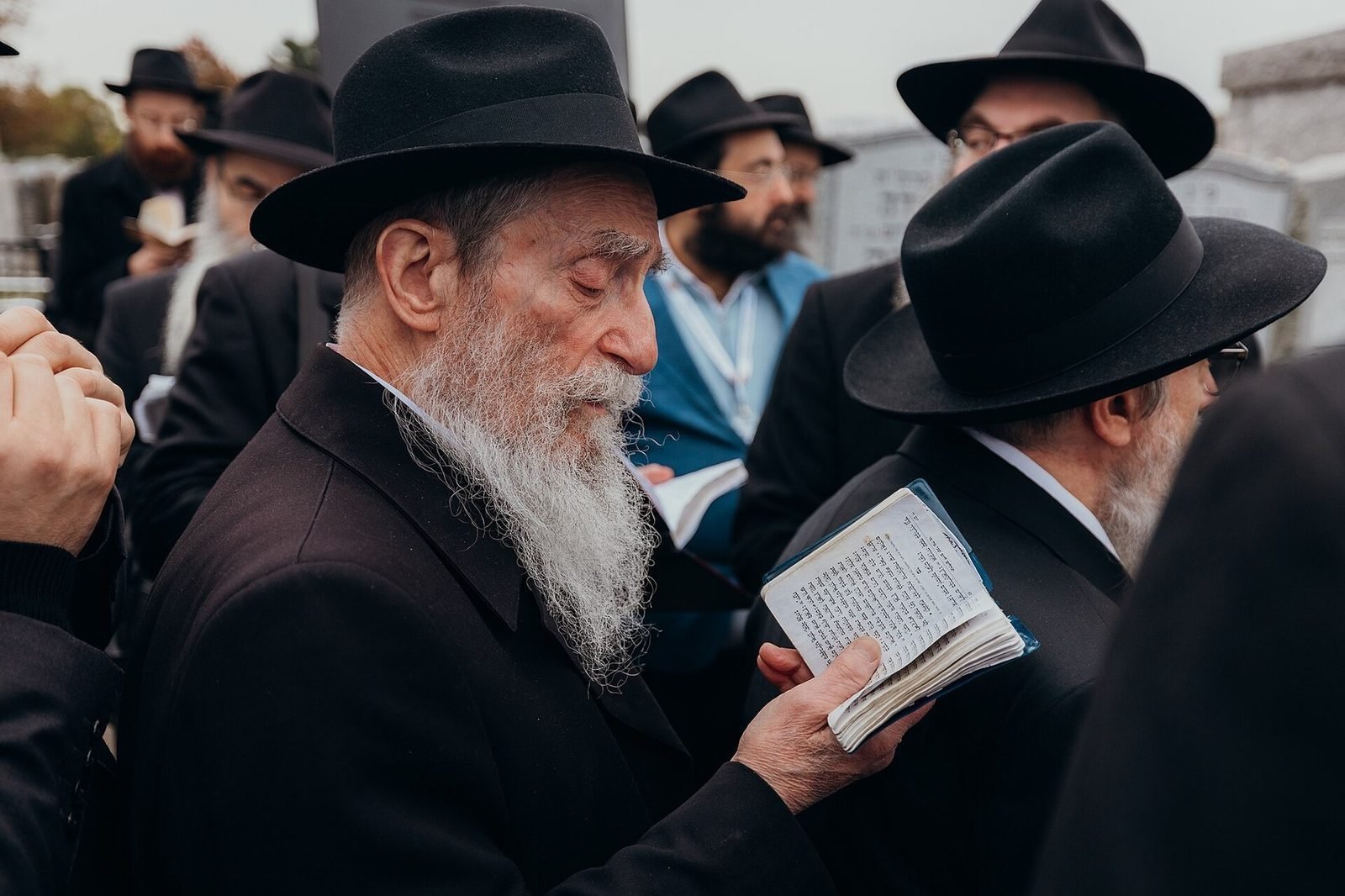
Today Chabad numbers about five thousand emissary families, working in roughly three and a half thousand institutions in nearly a hundred countries and in every U.S. state. Synagogues, schools, children's camps, aid centers — all of it grew from the Rebbe's idea that one must carry the light oneself.
Once a year, thousands of emissaries from around the world gather in New York for a joint conference — the largest assembly of rabbis in the world. The Rebbe's influence was recognized far beyond the Jewish world as well: he was posthumously awarded the highest civilian honor of the United States — the Congressional Gold Medal.
 The Ohel · New York
The Ohel
Gimmel Tammuz
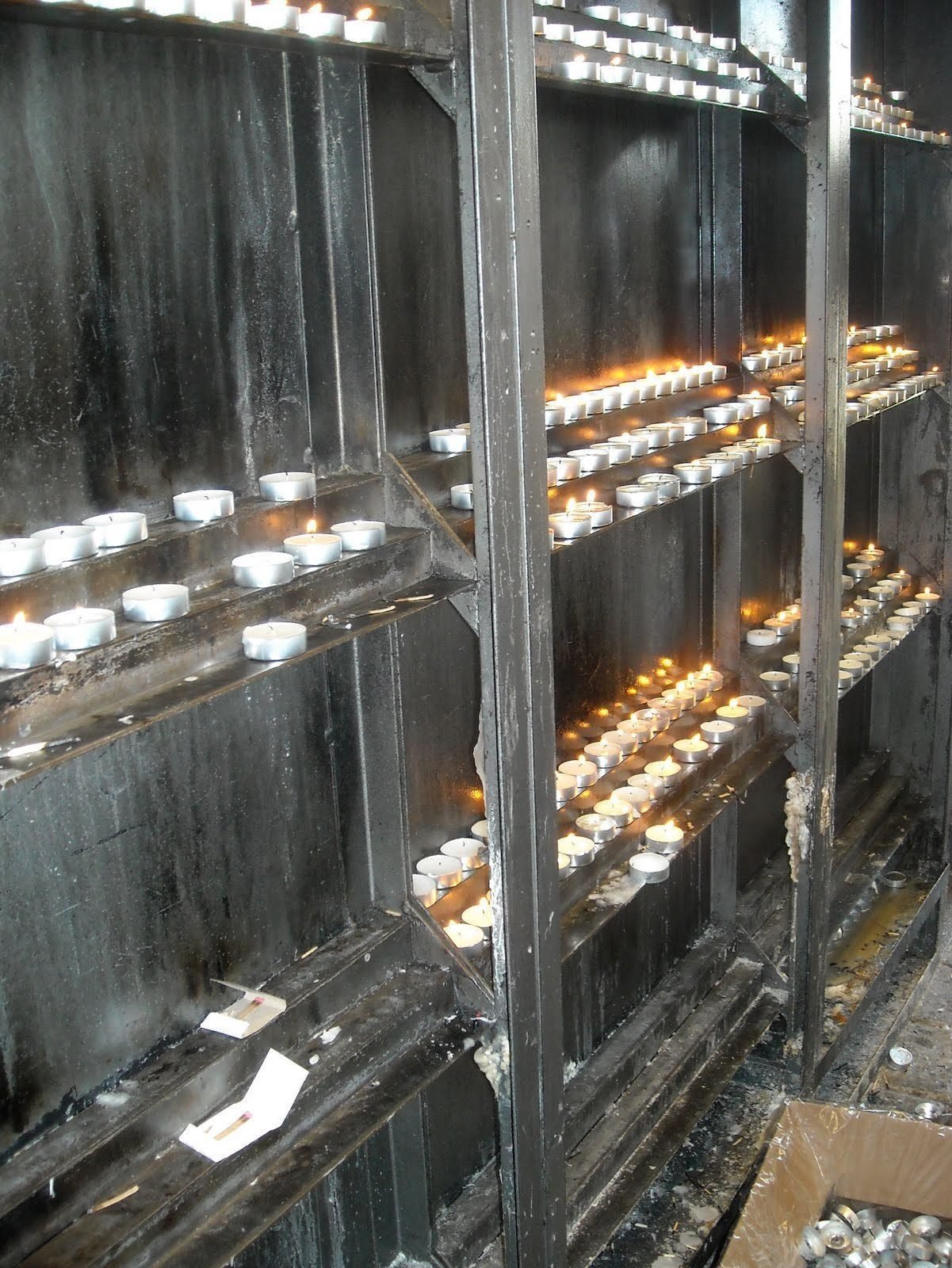
The Rebbe is buried at the Ohel — a modest mausoleum in a cemetery in Queens, beside the grave of the sixth Rebbe. People come here from all over the world throughout the year: they pray, leave notes with requests, and light candles.
The day of his passing, 3 Tammuz (Gimmel Tammuz), became a date of remembrance. On this day thousands come to the Ohel, while communities around the world recall the Rebbe's teaching and take on new good deeds in his honor.
In Azerbaijan
Chabad in Baku
For centuries Azerbaijan has been home to Jews — Mountain, Ashkenazi and Georgian. In the Soviet years, when open religious life was nearly impossible, the emissaries of Lubavitch helped the Baku community preserve its tradition, at the risk of their own freedom.
Today Chabad in Baku — an active community, a synagogue and the Ohr Avner school — continues this work freely, in a country known for its tradition of tolerance. It is a living part of the Rebbe's worldwide legacy, which reached even the shores of the Caspian.